2026-09-03 ·
What a Termite Inspection Report Covers When You Sell a Home in Arizona
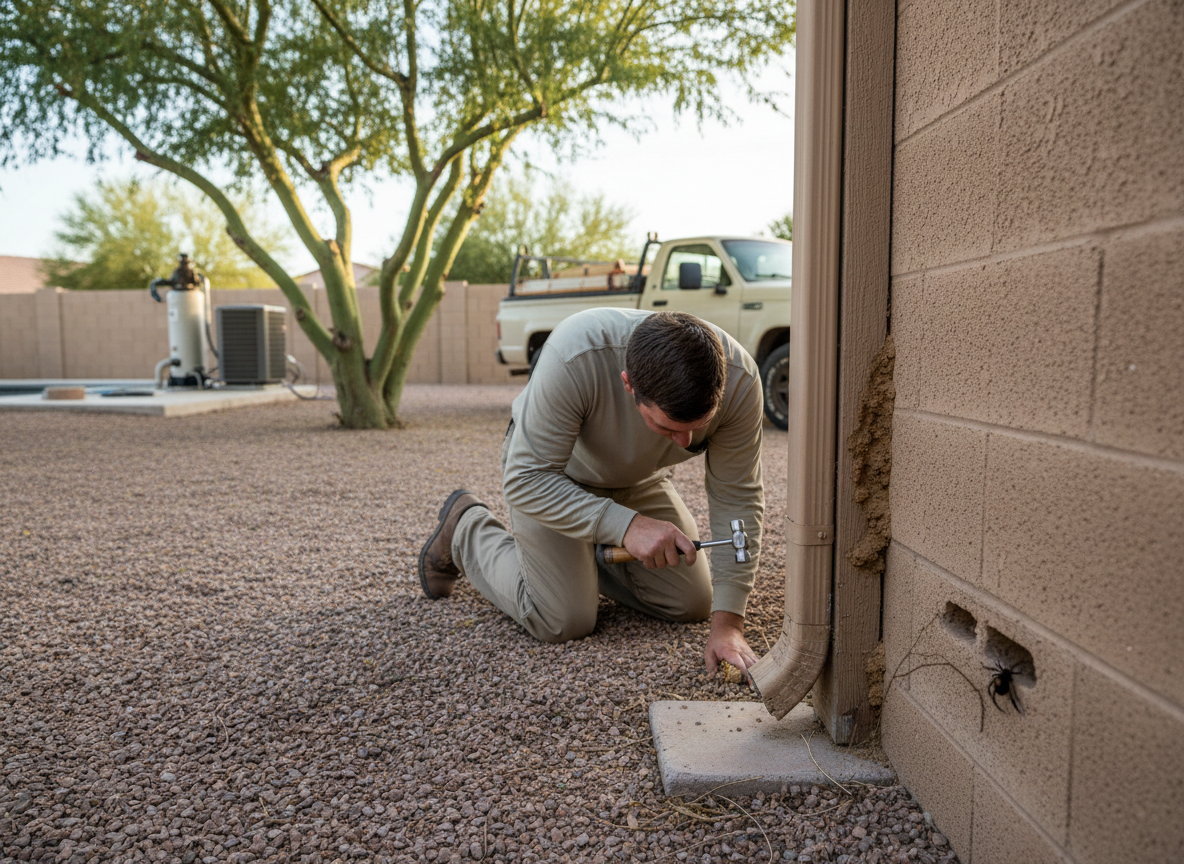
A termite inspection report for selling a home in Arizona covers active infestations, evidence of past damage, treatment records, and any required TARF filing with the state. In Mesa, inspectors focus on accessible wood in crawl spaces, attics, and exterior framing where subterranean termites thrive due to the hot desert climate and irrigation around older neighborhoods such as Red Mountain and Superstition Springs.
Core Elements of the Report
Inspectors document live termites, mud tubes, damaged wood, and fecal pellets during a visual and probing examination. They note the species present, usually Reticulitermes or Heterotermes in Maricopa County, and map the extent of any colonies. The report also records moisture sources like leaking irrigation lines or poor drainage common in Downtown Mesa homes built before 1990. Buyers receive a clear statement on whether the structure shows current activity or only historical damage. Every Arizona report must reference the TARF number if treatment occurred, linking the inspection directly to state records. What a TARF Is and Why Every Arizona Termite Treatment Gets Filed With the State explains how these filings protect both parties during escrow.
Arizona Sale Requirements and Mesa Housing Stock
Most lenders in Maricopa County require a current termite report before approving conventional loans on Mesa properties. Homes in Superstition Springs and near Riverview Park often feature slab-on-grade construction with stucco exteriors that can hide entry points along expansion joints. Inspectors check for cellulose debris left under slabs during original grading, a frequent issue in 1970s–1980s builds common across Red Mountain. The report flags any conditions that could support future colonies, such as wood-to-soil contact at patios or fences. Sellers typically receive the report within 48 hours of the inspection and must disclose findings to buyers. Properties near the Superstition Mountains face added pressure from seasonal monsoon moisture that can reactivate dormant colonies.
How Inspectors Evaluate Treatment History
The report lists all prior termite treatments, including dates, products used, and warranty status. In Mesa, many homes carry 8–12 year transferable warranties from earlier liquid barrier applications. Inspectors verify whether the original treatment remains intact or if soil disturbance from landscaping has compromised the zone. They also note any supplemental bait stations installed around the perimeter. If the home has never received treatment, the report states this clearly so buyers understand the risk. Termite Treatment details the follow-up options available when an inspection reveals active colonies that must be addressed before closing.
Practical Steps After Receiving the Report
Review the findings with your real estate agent and the inspector to clarify any unclear items. Request a follow-up termite inspection if the home has undergone recent additions or major irrigation changes. Address active infestations through targeted treatment rather than cosmetic repairs alone. Provide the complete report and TARF documentation to the buyer’s lender early in escrow to avoid delays. Mesa sellers who maintain records from previous treatments often close faster because buyers see documented protection rather than unknown risk.